Skid Steer Rental: Why It’s One of the Most Versatile Machines on the Job Site
One Machine. More Ways to Get the Job Done.
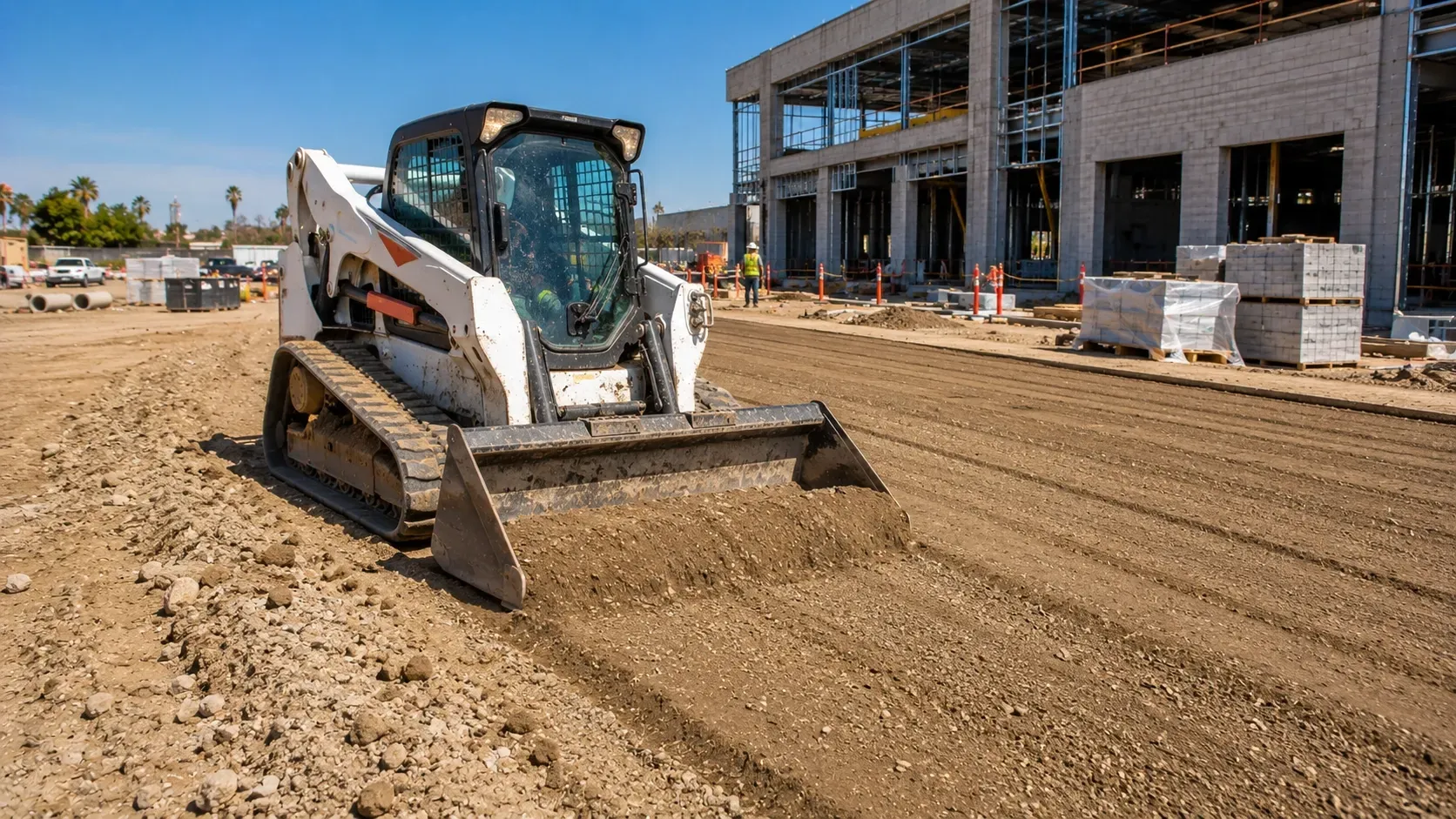
There’s a reason skid steers are found on so many construction sites.
They’re compact, powerful, highly maneuverable, and capable of handling a surprisingly wide range of work. From preparing a site before construction begins to cleaning up after the heavy work is finished, a skid steer can remain useful through multiple stages of a project.
For contractors who don’t need one every day, renting a skid steer also provides access to that versatility without taking on the cost and responsibility of owning another piece of equipment.
What Is a Skid Steer Used For?
A skid steer is a compact piece of construction equipment designed to operate in areas where larger machines may be difficult to maneuver.
Its size is one of its biggest advantages, but that doesn’t mean it’s limited to small jobs.
Depending on the machine, attachment, and project requirements, skid steers are commonly used for:
- Grading and leveling
- Site preparation
- Moving dirt and gravel
- Loading materials
- Clearing debris
- Landscape preparation
- Light excavation
- Demolition cleanup
- Backfilling
- General job-site cleanup
Instead of bringing in a different machine for every smaller task, contractors can use a skid steer for several types of work throughout the project.
Compact Size Makes a Difference
Not every construction site gives operators unlimited room to work.
Projects around existing buildings, parking lots, commercial properties, residential developments, and other active spaces can create tight working conditions.
That's where the compact footprint of a skid steer becomes especially useful.
The machine can maneuver through smaller areas while still providing the power needed for grading, loading, clearing, and material movement.
For construction projects throughout the Los Angeles area, where available job-site space can be limited, having equipment that can work efficiently within a smaller footprint can be a major advantage.
From Rough Ground to a Ready Site
Site preparation is one of the most common uses for a skid steer.
Before foundations are poured, landscaping is installed, or other construction work begins, crews may need to clear debris, move material, level surfaces, or reshape sections of the site.
A skid steer can help handle many of these tasks without requiring a full-size earthmoving machine.
Its maneuverability also gives operators greater control when working around structures, curbs, utilities, landscaping, and other areas that need to remain undisturbed.
Attachments Make Skid Steers Even More Versatile
One of the biggest reasons skid steers are so useful is their ability to work with different attachments.
A bucket may be perfect for moving soil or debris, while other compatible attachments can expand what the machine is capable of doing.
Depending on the equipment available and the requirements of the project, skid steer attachments can support tasks involving grading, material handling, excavation, cleanup, and more.
That flexibility can turn one compact machine into a valuable tool throughout several phases of a project.
Skid Steer vs. Mini Excavator
Skid steers and mini excavators often appear on the same types of job sites, but they're designed around different strengths.
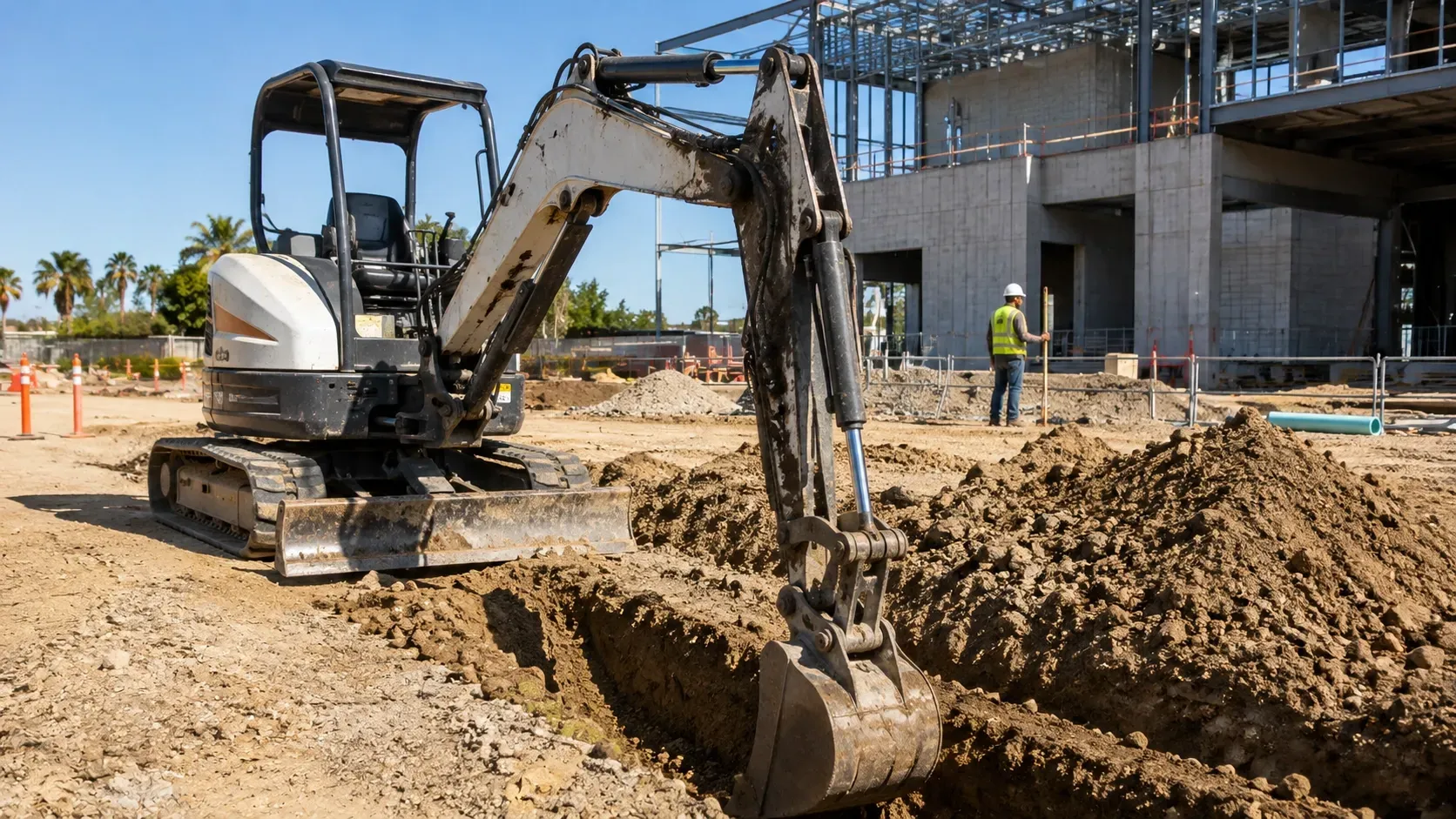
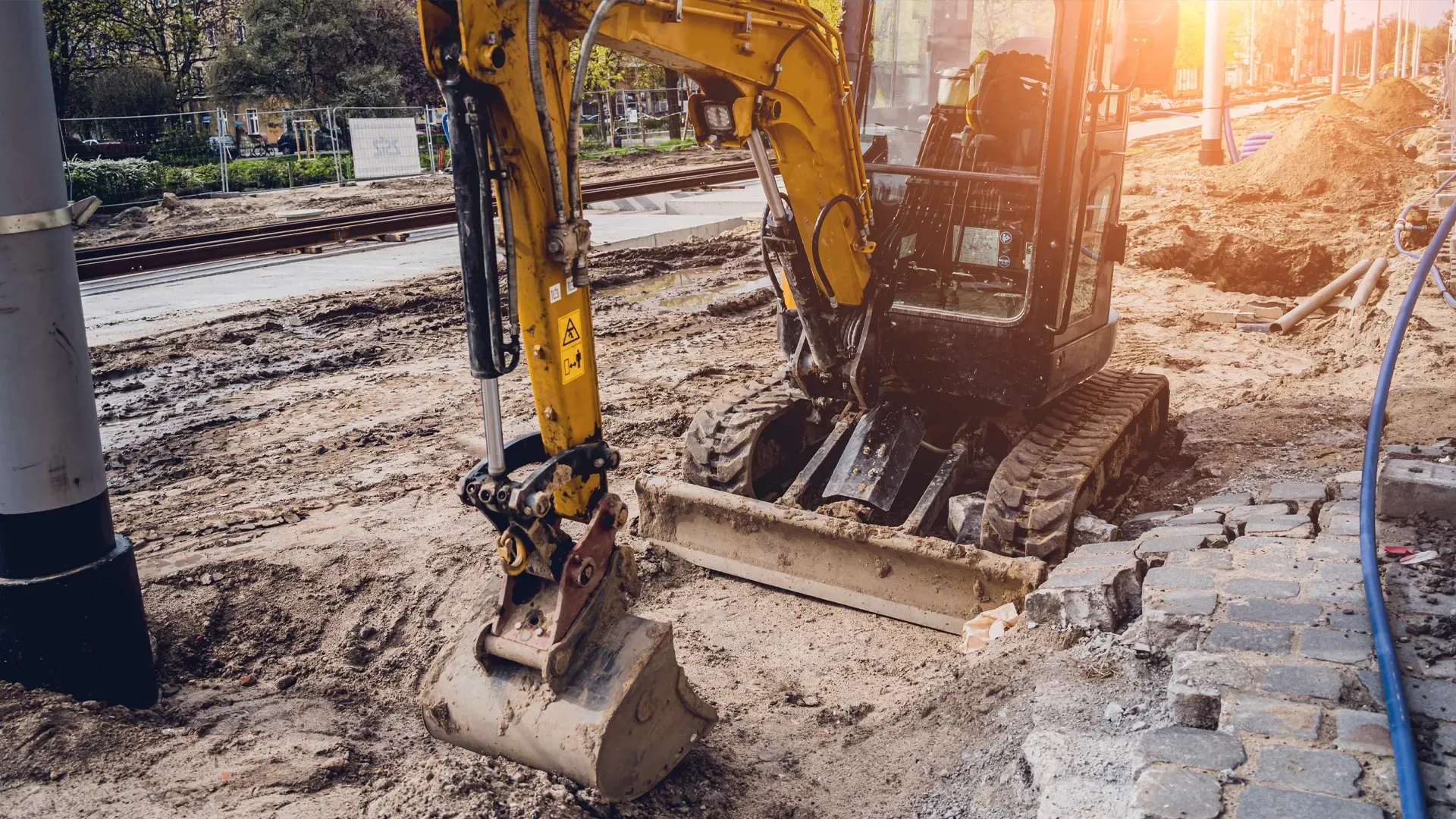
A mini excavator is generally better suited for work that requires digging depth, trenching, or excavation below grade.
A skid steer excels when the job involves moving material across the surface, grading, loading, clearing, and frequently repositioning around the site.
Some projects may only require one machine. Others can benefit from having both.
The best choice depends on what your crew actually needs to accomplish.
Why Rent a Skid Steer?
Buying equipment comes with more than the purchase price.
Owners also have to consider storage, transportation, routine maintenance, repairs, and the possibility of equipment sitting unused between projects.
Renting allows contractors to bring in a skid steer when the work requires one and return it when the job is complete.
It can also give you greater flexibility from project to project.
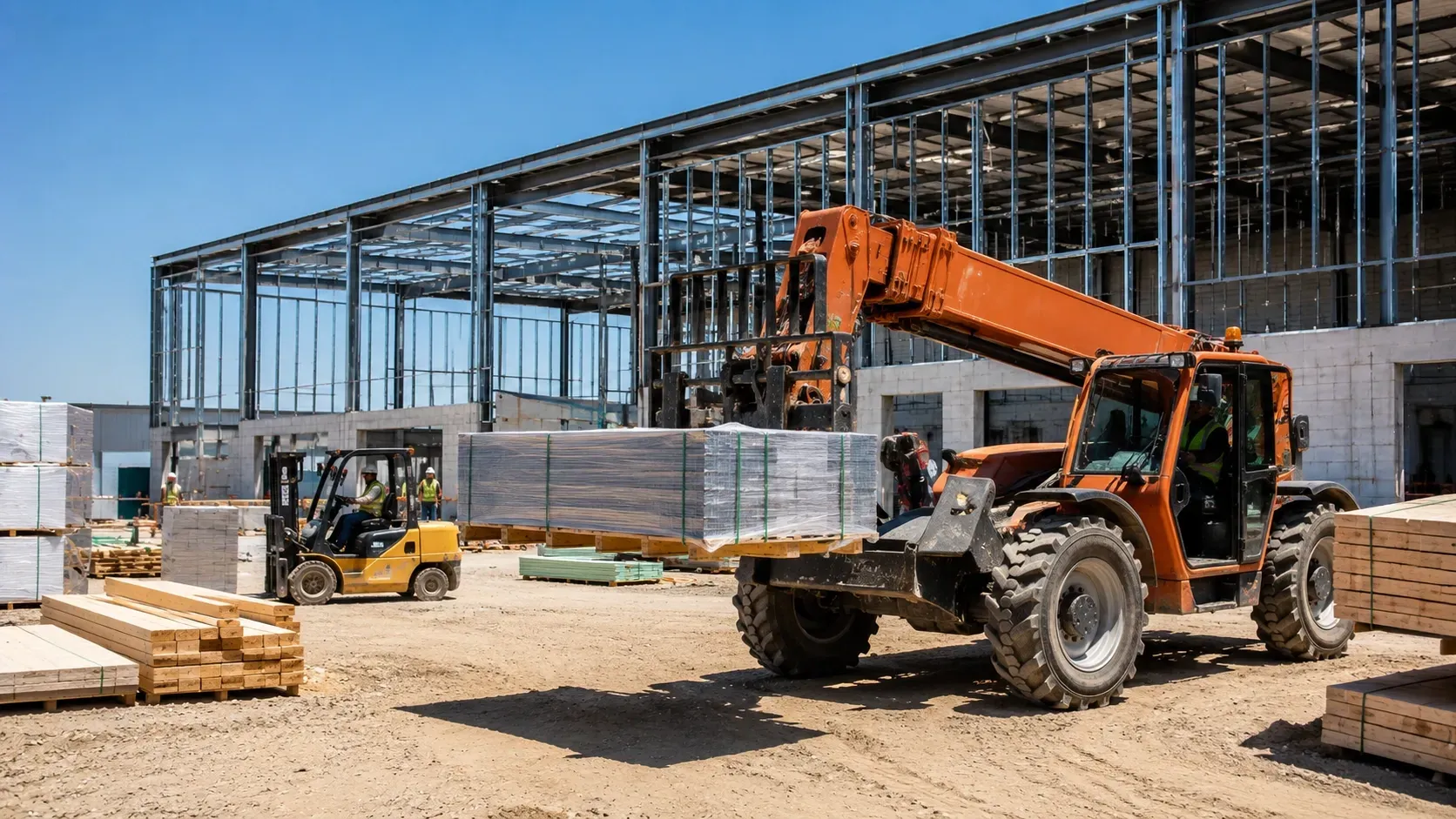
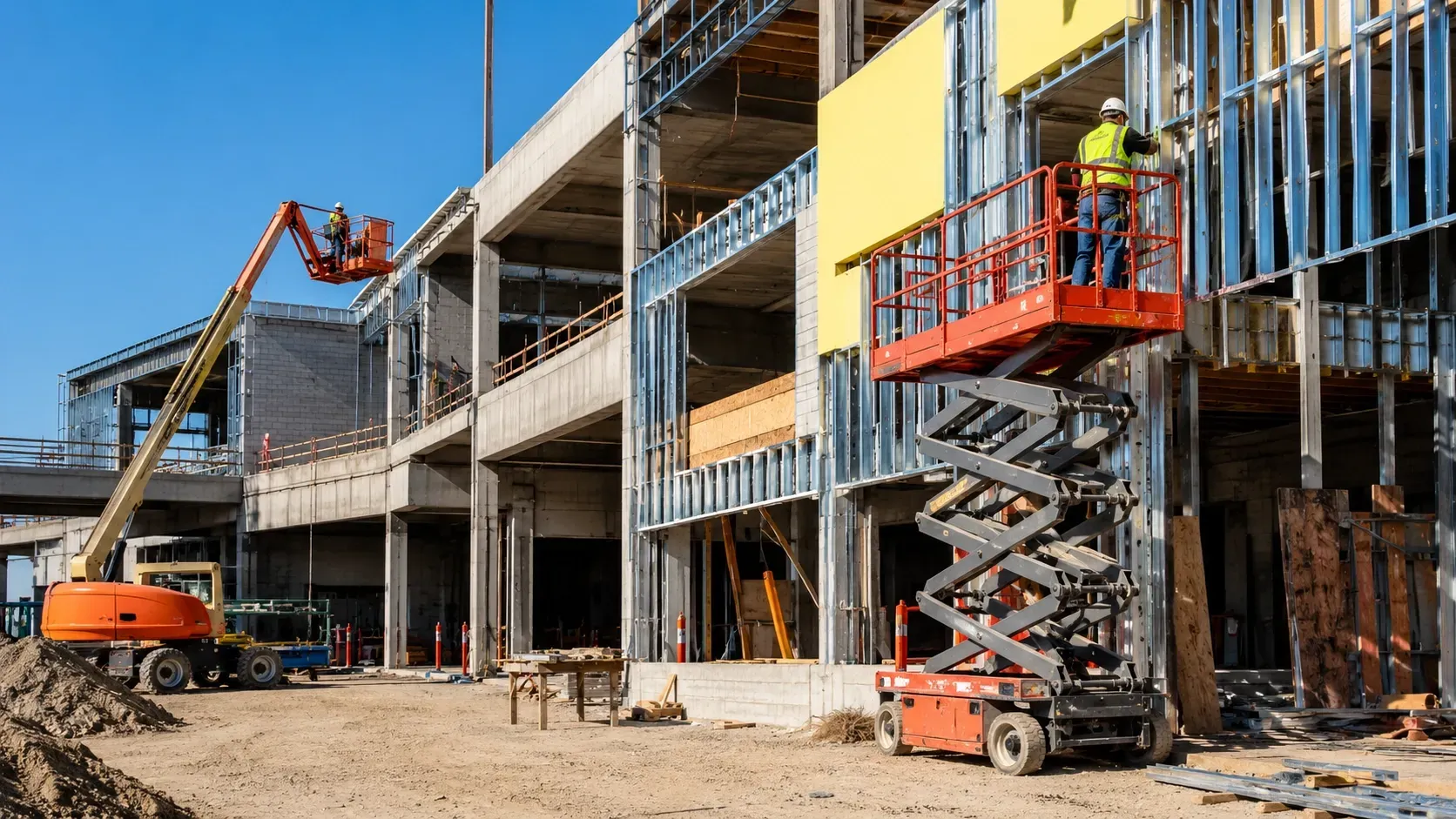
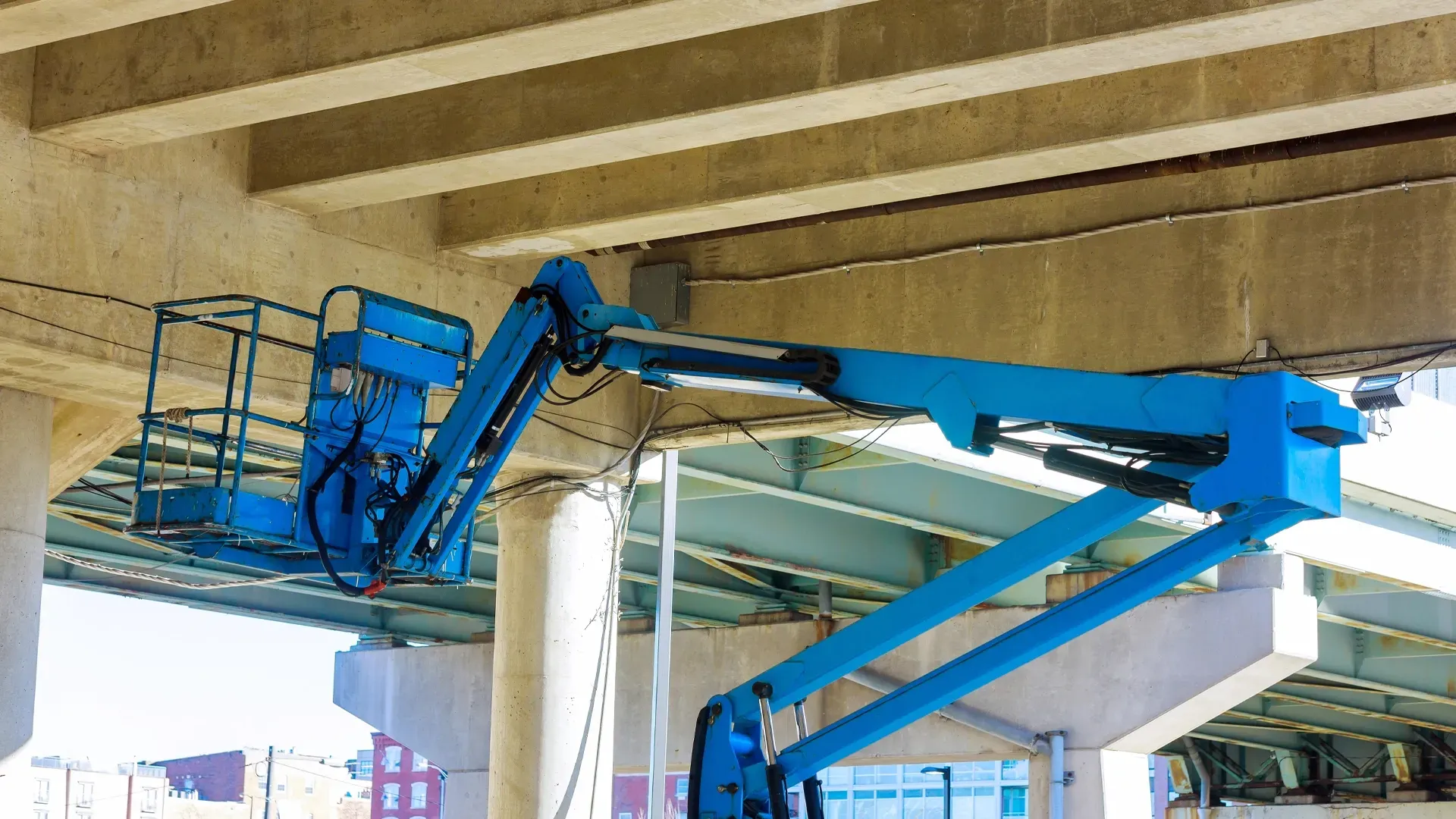
One job may require a skid steer. Another might need an excavator, telehandler, forklift, boom lift, or scissor lift instead.
Rather than forcing the equipment you own to fit every application, renting allows you to select equipment around the needs of the project.
Choosing the Right Skid Steer for Your Project
Before renting, consider exactly how the machine will be used.
Important factors can include:
- Type of material being moved
- Ground and terrain conditions
- Available operating space
- Required lift capacity
- Attachment requirements
- Amount of material being handled
- Access into and around the job site
Matching the machine to the work helps your crew get more value from the equipment once it arrives.
Skid Steer Rentals from JM Development
Whether you're grading a site, clearing debris, moving materials, or preparing the next phase of construction, a skid steer can provide the versatility needed to tackle multiple jobs with one compact machine.
JM Development provides dependable skid steer and construction equipment rentals throughout the Greater Los Angeles area, helping contractors get equipment suited to the work in front of them.
One machine can do a lot. The right machine can do even more.
S H A R E