Boom Lift vs. Scissor Lift: Which One Do You Need?
Choosing the Right Lift for the Job
When your project requires working above ground, choosing the right access equipment can make a major difference in productivity, efficiency, and how easily your crew can reach the work area.
Two of the most common choices are boom lifts and scissor lifts. While both are designed to safely elevate workers and equipment, they aren't interchangeable. Each machine is built for different working conditions, heights, and types of access.
Understanding the difference can help you choose the right equipment before your next project begins.
What Is a Scissor Lift?
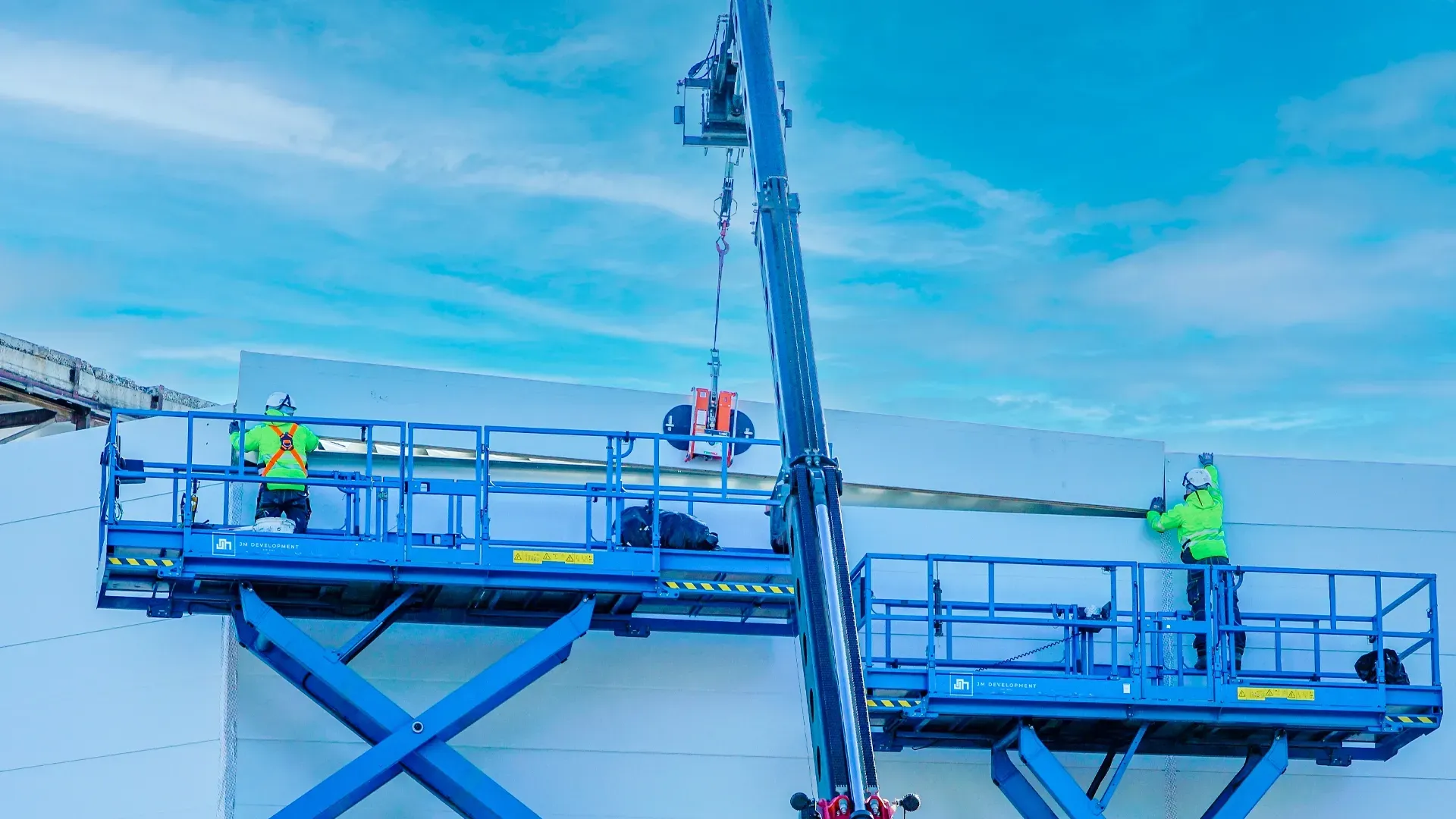
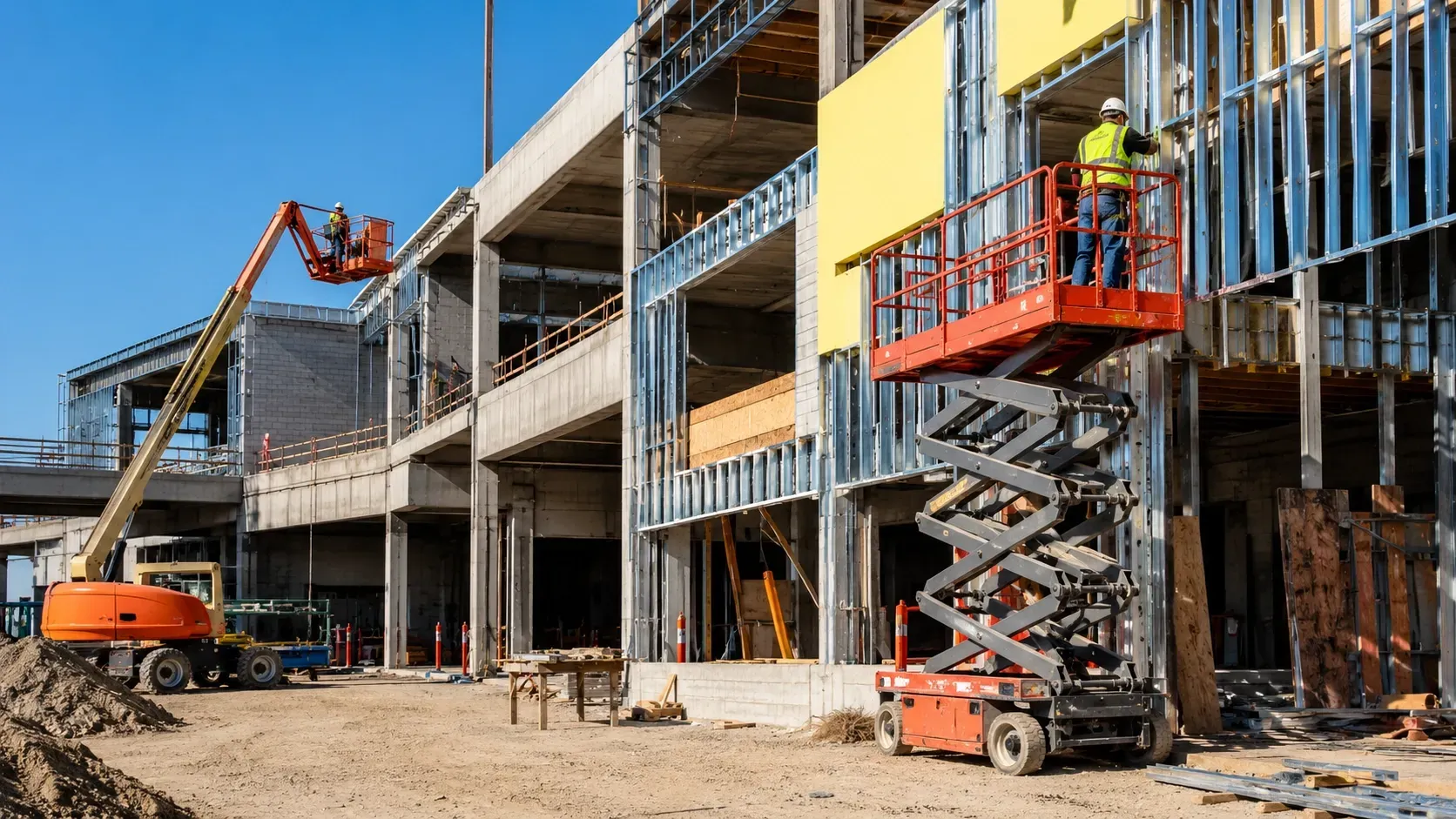
A scissor lift uses a folding support system that raises a large work platform vertically.
Because the platform travels primarily straight up and down, scissor lifts are a practical choice when crews need to work directly above the machine.
Their larger platforms can also provide room for multiple workers, tools, and materials.
Scissor lifts are commonly used for:
- Electrical and lighting installation
- HVAC work
- Warehouse maintenance
- Facility repairs
- Painting and finishing
- Sign installation
- Commercial construction
Depending on the model, scissor lifts can be designed for smooth indoor surfaces or rough outdoor job-site conditions.
What Is a Boom Lift?
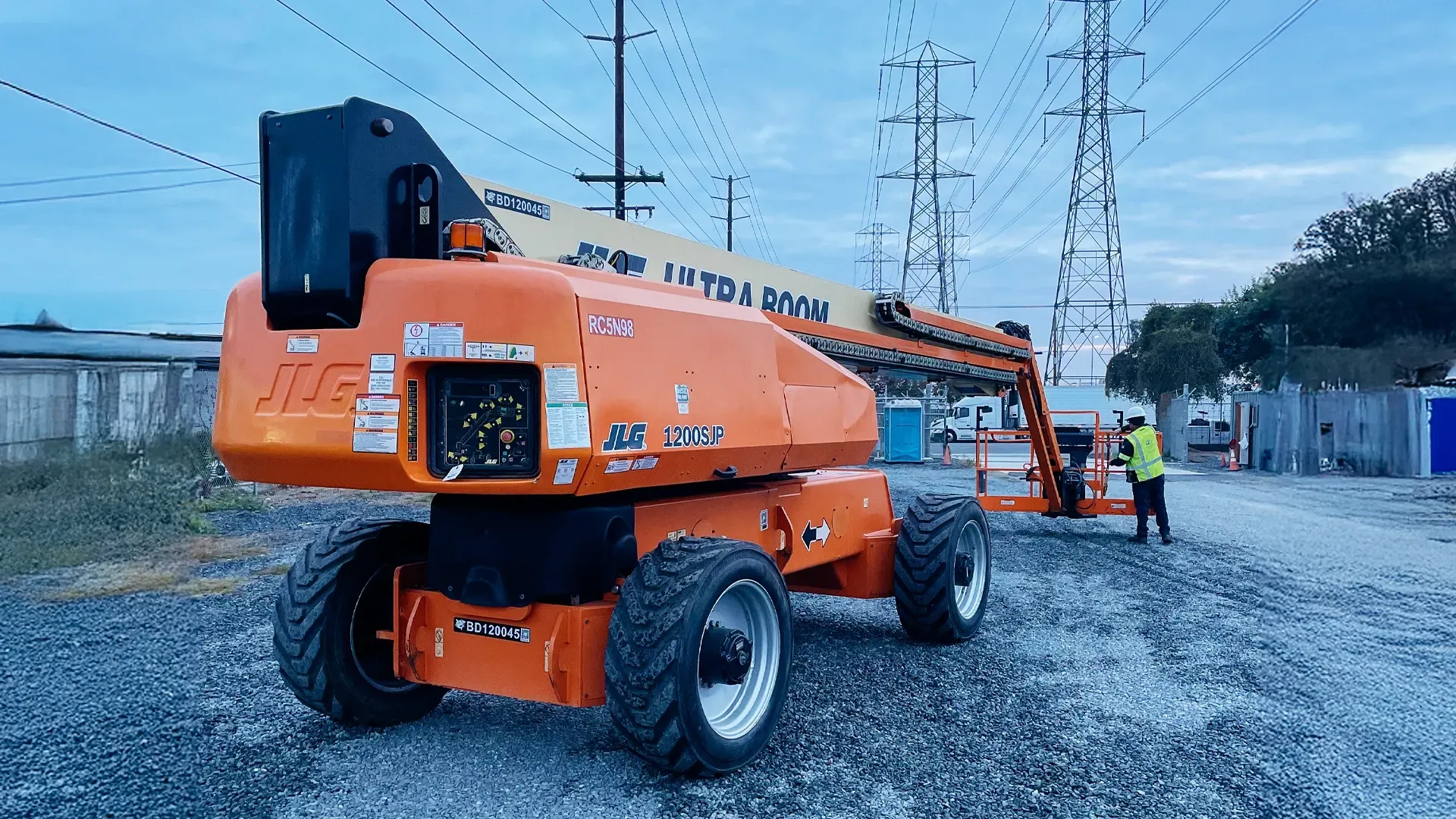
Boom lifts provide a different type of access.
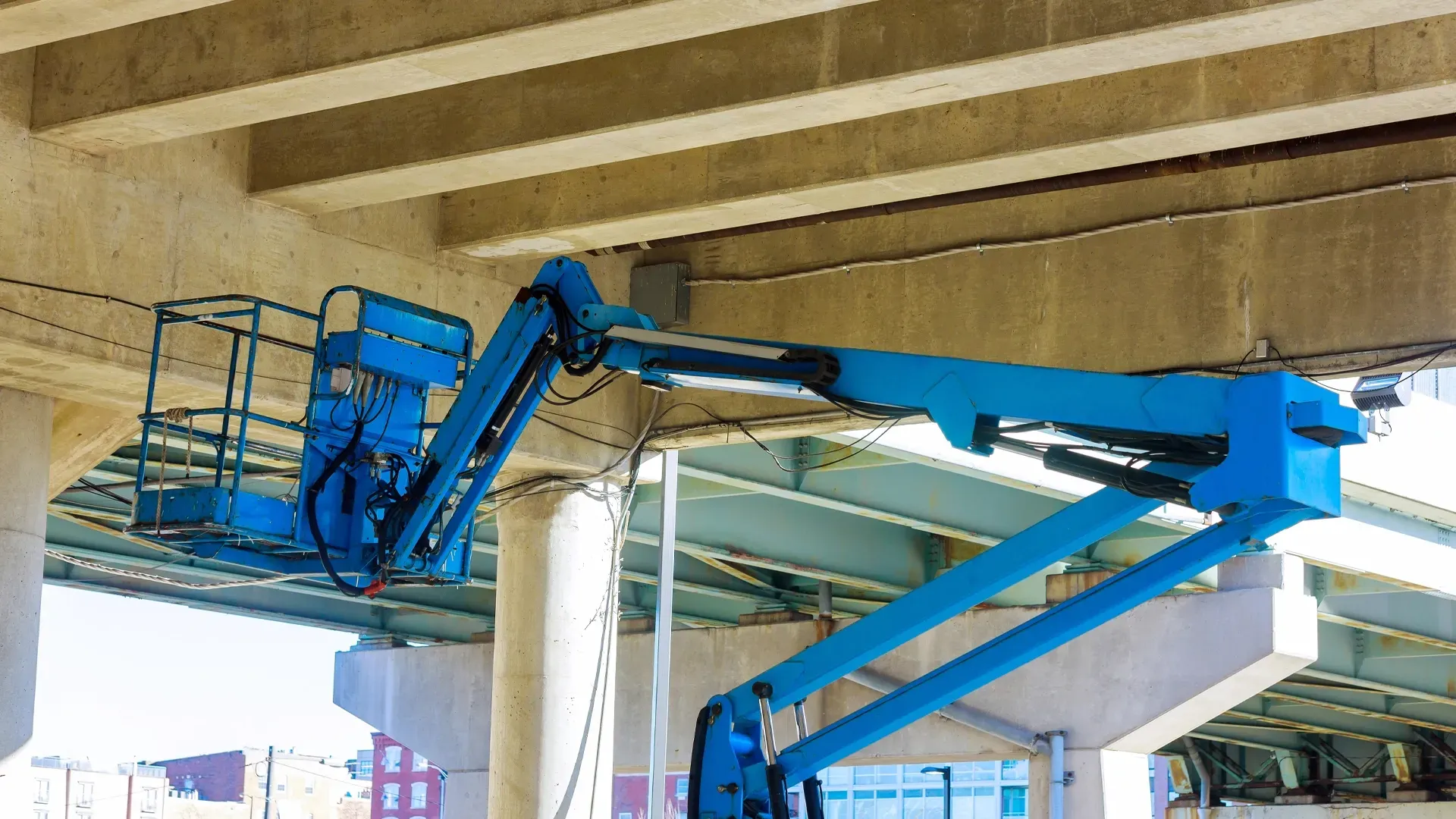
Instead of only traveling vertically, a boom lift uses an extendable arm that allows the work platform to move upward and outward.
That additional range makes boom lifts especially useful when workers need to reach over structures, around obstacles, or into areas where the machine cannot be positioned directly beneath the work.
Boom lifts are commonly used for:
- Exterior building maintenance
- Structural construction
- Electrical installation
- Roofing and facade work
- Signage
- Industrial maintenance
- Hard-to-reach repairs
For projects with complicated access requirements, the added flexibility of a boom lift can be a major advantage.
Boom Lift vs. Scissor Lift: What's the Difference?
The biggest difference comes down to how you need to reach the work.
If your crew primarily needs vertical access and a spacious work platform, a scissor lift may be the better choice.
If the project requires greater reach or the ability to work around obstacles, a boom lift may provide the flexibility you need.
Other factors should also be considered, including working height, terrain, available space, platform capacity, and whether the equipment will be used indoors or outdoors.
Don't Forget About the Job Site
The equipment itself is only part of the decision.
Before renting a lift, consider the environment where it will be operating.
Ask questions such as:
Is the surface paved or unfinished?
Will the equipment need to travel through narrow areas?
Are there structures or obstacles between the machine and the work?
How high does your crew actually need to reach?
Will workers need to carry tools or materials on the platform?
Answering these questions before selecting equipment can help prevent delays once the machine arrives on site.
Renting Gives You the Right Equipment for the Project
Different projects can require completely different equipment.
Purchasing and maintaining multiple types of aerial lifts isn't practical for every contractor or business. Renting gives you the flexibility to select equipment based on the requirements of each individual project.
It also means you aren't forcing one machine to handle work better suited for another.
Find the Right Lift with JM Development
Whether your project calls for the vertical platform of a scissor lift or the extended access of a boom lift, JM Development can help you find equipment suited to the work ahead.
We provide dependable equipment rental solutions for contractors, construction crews, maintenance teams, and businesses throughout the Greater Los Angeles area.
The goal is simple: get the right equipment on the job so your crew can get to work.
S H A R E